
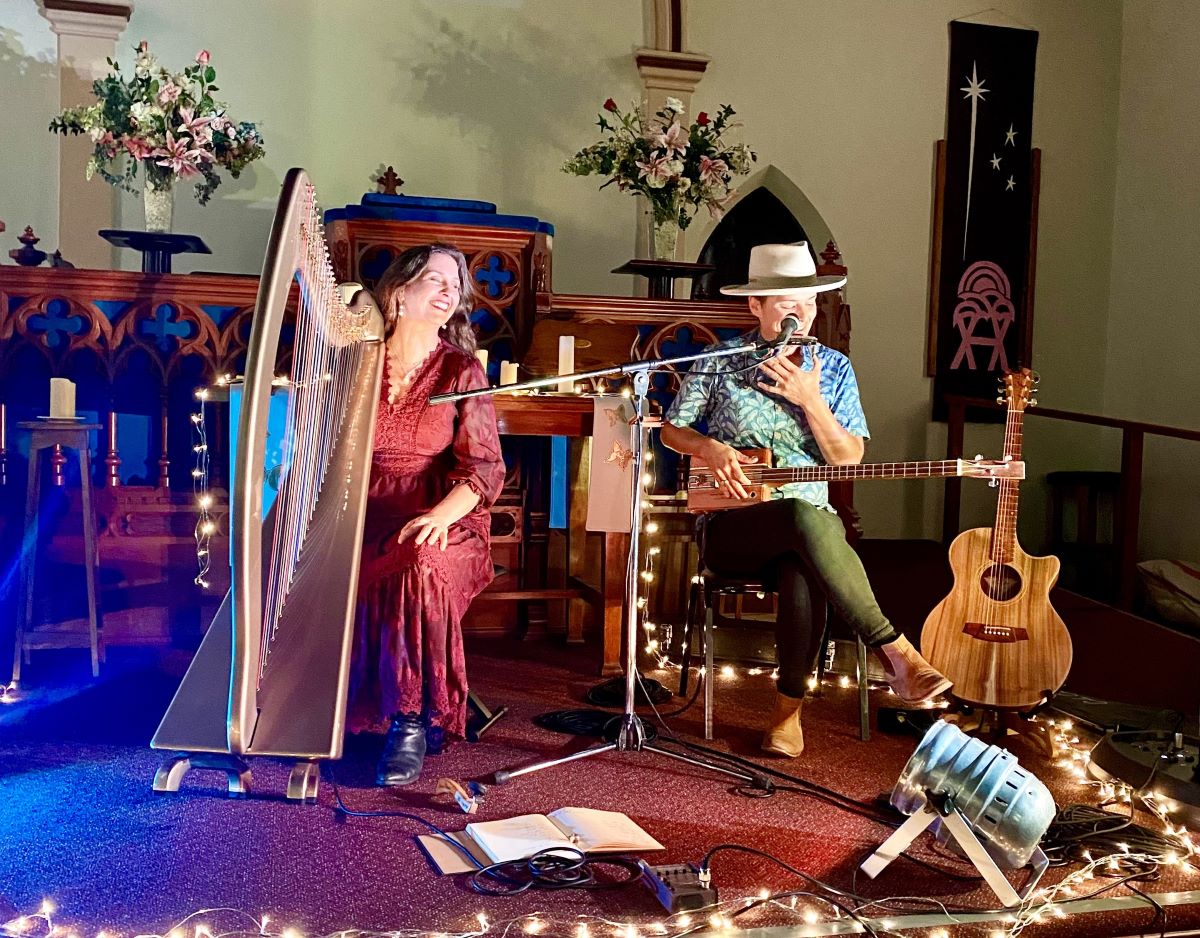
A concert at Ballarat South Uniting Church, part of the Village Church Network.
By Marina Williams
Two new communities of faith in regional Victoria are testing different ways of being church – centred on relationships, shared experiences and openness to those beyond existing congregations.
Both sit within the Uniting Church’s Faithful Futures vision, which identifies the creation of new communities of faith as one of its five shared goals.
Initiatives such as the Village Church Network, connecting communities across the Central Highlands, and Yandoit Sacred, a small, place-based gathering near Castlemaine in Central Victoria, offer early examples of this goal. Both are evolving in response to their local context.
Bringing together Ballarat South, Creswick-Clunes, Brown Hill and St Martin’s Chapel in Blackwood, the Village Church Network grew from a shared recognition that, with fewer congregations and shifting patterns of participation, no single community could respond in isolation.
Fiona Ross, who works in a creative ministry role and is involved through St Martin’s Chapel, says the network began with a clear aim.
“There was a desire to ensure that, within the region, Christian community continues in one form or another,” Fiona says.
The network does not centre on a weekly service. Instead, it operates through a shared calendar of events across locations – concerts, contemplative gatherings, labyrinth walks, workshops and community activities.
This enables smaller communities to sustain activity without relying on a single congregation, pooling effort and encouraging participation across the region.
More formal coordination began in 2025, though much of the work has developed organically.
Fiona, who is also a spiritual director, draws on a background in music and connections in the arts community to organise events.
She describes the network as a “mixed ecology”, where existing congregations continue alongside newer expressions of church, including initiatives grouped under The Wayfarer Collective, which draws on the Christian contemplative tradition while engaging with other wisdom traditions.
“These are spaces for people who may have no experience of church, or who have moved away from it,” she says. “We create experiences that move gently and offer a pathway into meaning-making and spiritual depth. They can be quiet and reflective, creative and expressive, or conversational and exploratory.”
In Blackwood, where there is no longer a traditional congregation, this approach has been in place for some time. Community is built through events and local partnerships, with ideas and activities shared across the network. Musicians and facilitators move between locations, adapting what works in one setting to another – for example, a mobile labyrinth used in Ballarat has also been set up in Blackwood.
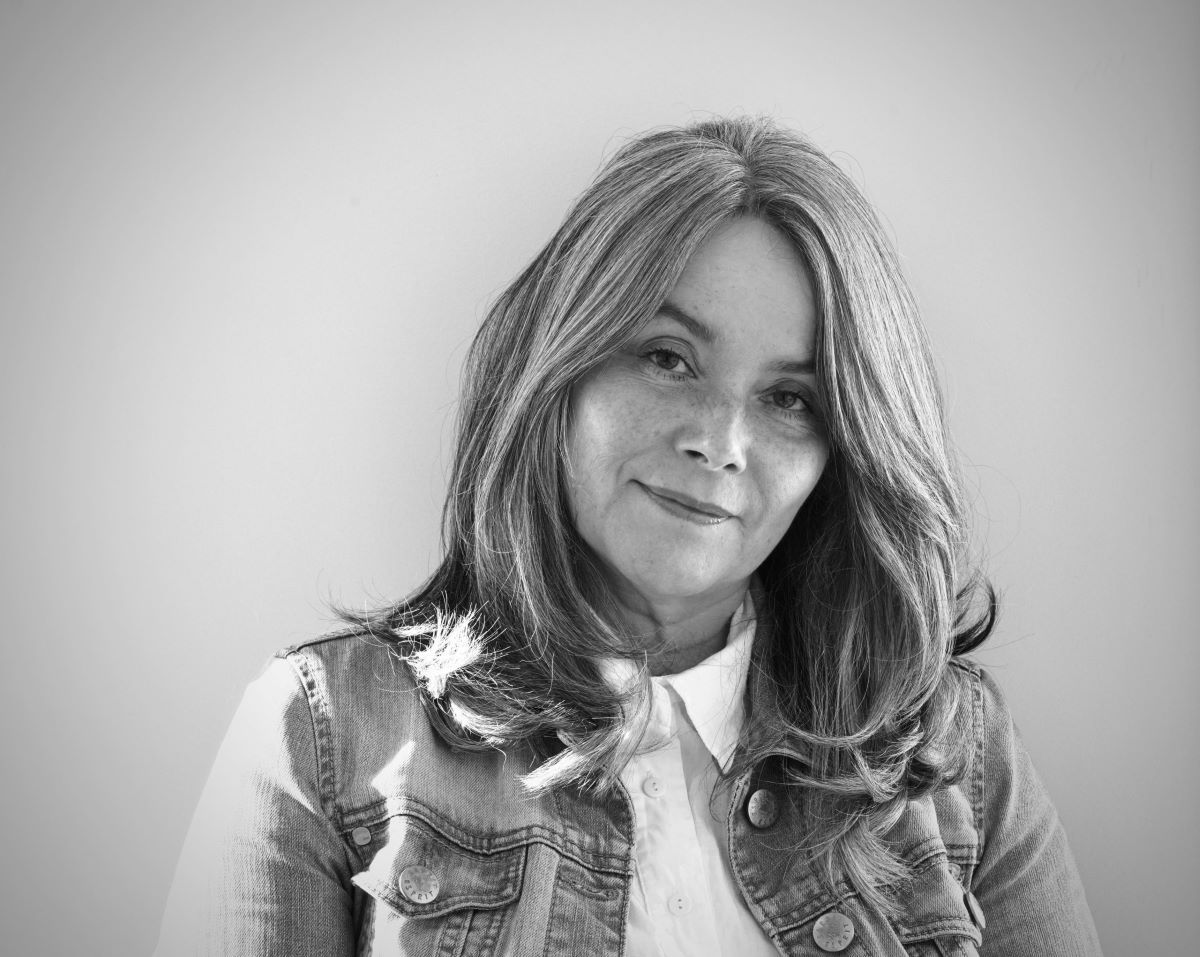
Fiona Ross is part of the Village Church Network, ensuring a Christian community continues in Ballarat.
Fiona says the model reduces duplication and builds on shared experience.
“It’s sharing of resources, sharing of expertise – not reinventing the wheel,” she says.
Participation is invitational, with each community working from its own strengths. “We’re trying different things and seeing what resonates.”
Attendance varies depending on the activity, drawing people from creative communities, those interested in spiritual exploration, and others connected to specific events.
“It’s quite diverse, because the program of events we offer across the network is varied,” Fiona says. This diversity, she adds, reflects the broader change in the context for church.
“There’s such a thirst for places to explore deeper questions of meaning and connection in today’s world,” she says.
In Castlemaine, a different starting point led to the emergence of Yandoit Sacred.
Rev Sarah Tomilson, minister in the region, traces its origins to the closure of the small rural church at Yandoit, between Castlemaine and Daylesford. The building was retained, with the church and local community exploring new ways to use the space.
It was one of several church closures in the region, raising broader questions about how Christian community might continue.
“Wouldn’t it be lovely if we did something new here – if we still had something of a sacred community and a gathering place,” says Sarah, reflecting on those conversations.
Yandoit Sacred meets alongside the community-led group, Yandoit Cultural, which leases the building and runs events such as music, poetry and film screenings.
The faith community began meeting in 2023, following a period of planning and negotiation with the wider church, and remains a developing partnership.
“We just opened the doors and said, whoever is interested in exploring the sacred, meaning-making, healing – come,” Sarah says.
Attendance typically ranges from 12 to 20 people, with a mix of regulars and newcomers from Christian, Buddhist and other spiritual backgrounds, as well as those with no faith background.
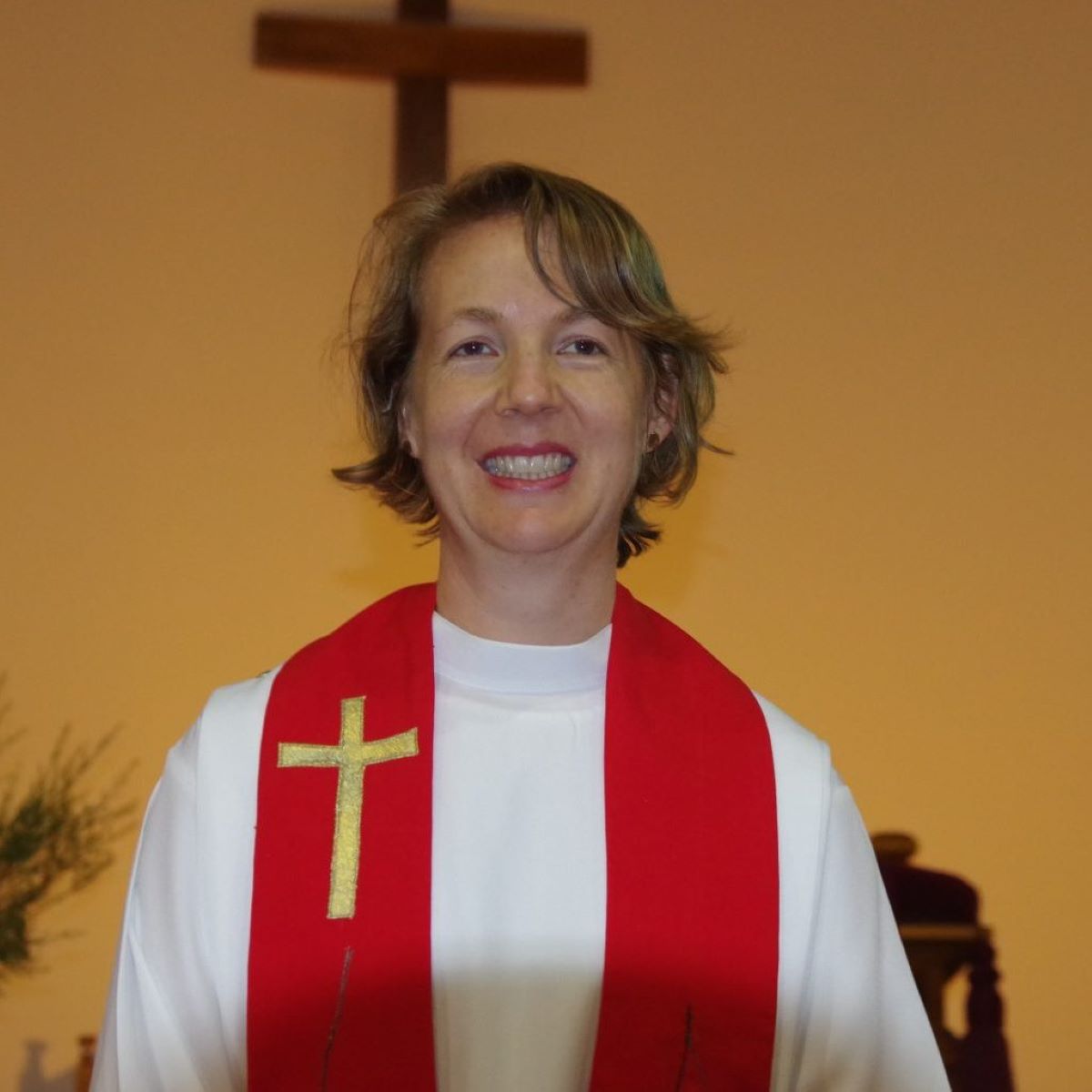
Rev Sarah Tomilson from Yandoit Sacred, which meets alongside the community-led group Yandoit Cultural.
“It really is a place where there’s an absolute welcome,” Sarah says.
Gatherings include prayer, reflection and shared themes, but remain flexible, responding to current events and personal experience. At times, people from other traditions contribute practices, such as silence, candle lighting and shared ritual.
“We’re just being an open place for the wisdom traditions that heal us and offer us sanctuary,” Sarah says.
There is also a strong connection to place.
“We talk about letting the land heal us as we heal the land,” Sarah says. “People are hungry for ritual and story.”
Food and informal conversation are part of each gathering, with meals shared around a table or a fire.
“There’s lots of conversation, discussion and laughter – people feel welcome and part of their community,” Sarah says.
Growth has been gradual in both communities, with people and place at the centre of these revitalised forms of church.
“It’s about listening and responding to what is already there,” Fiona says.
For Sarah, that has meant stepping back from directing the content.
“I found that people actually had so much to offer,” she says. “I didn’t have to make it happen.”
Creating space has allowed contributions to emerge more organically, shaped by the experiences and perspectives people bring.
“Something shifts every time we meet,” Sarah says.

Comments are closed.